
Posts Tagged ‘First Aid’
Gastrointestinal Regulatory Substances
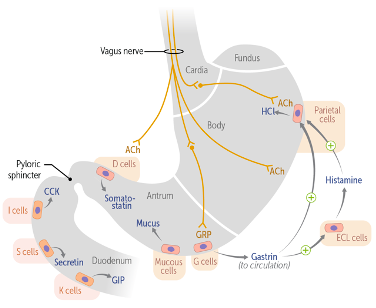


As we eat, our gastrointestinal (GI) system releases a host of both local and distant regulators to control the process of digestion. We will begin with the primary hormones, then cover some of the secondary hormones, and lastly discuss how our body senses its intraluminal contents and then subsequently integrates all of the various stimuli…
Read MoreMigraine, Cluster, and Tension Headaches

Headaches are an unavoidable fact of life and often are nothing more than the result of sitting through one too many lectures. However, they can become debilitating and get in the way of daily life, especially when they become recurrent. Although some headaches have symptoms other than head pain, we typically think of headache pain…
Read MorePatent Ductus Arteriosis
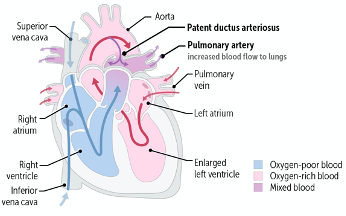
he ductus arteriosus (DA) is a structure that allows blood pumped from the right side of the heart to bypass the lungs while the fetus is developing in utero. Normally, the DA closes shortly after birth and becomes the ligamentum arteriosum. When the DA fails to close (remains open, or patent) after birth, it is…
Read MoreCongenital Disorders of the Reproductive Systems
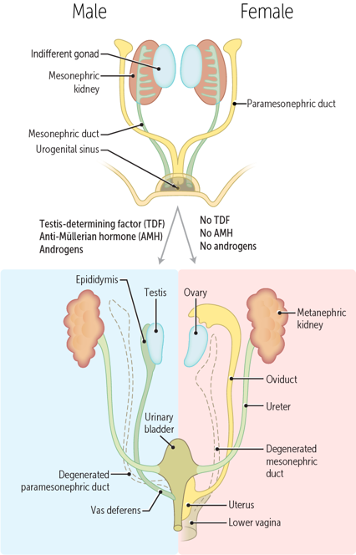
In typical reproductive system development, recall that the intermediate mesoderm forms the mesonephric (Wolffian) and paramesonephric (Müllerian) ducts and the indifferent gonads; primitive germ cells migrate into the indifferent gonads. These are the structures that become the internal organs of the reproductive systems. After listening to this AudioBrick, you should be able to: Describe the…
Read MoreStimulants and Cognitive-Enhancing Drugs
Stimulant medications are drugs that increase alertness and attention. They also elevate heart rate, blood pressure, and respiratory rate. Stimulants are used to treat many conditions, including attention-deficit/hyperactivity disorder (ADHD), chronic lethargy, narcolepsy, and obesity. Examples of stimulants include caffeine, amphetamines (such as dextroamphetamine), methylphenidate, and modafinil. Cognitive-enhancing drugs serve a similar purpose, increasing memory,…
Read MoreHematopoietic Malignancies: Putting It All Together
If you’ve studied the hematopoietic system malignancies—all the leukemias, lymphomas, and plasma cell disorders—you probably feel like you’ve been hit with the good old medical school fire hose. Now’s a good time to take a step back from all the details, make sure that you remember the underlying framework, and pull together some information that…
Read MoreMegaloblastic Anemia

Megaloblast. Now there’s a word you don’t hear every day. The root -blast (from the Greek blastos, meaning germ or bud) may be somewhat familiar since we talk about blast cells (very young hematopoietic precursor cells) in hematology. And megalo- (from the Greek megas, meaning large or great) is also used fairly frequently, as in splenomegaly (enlargement…
Read MorePulmonary Hypertension
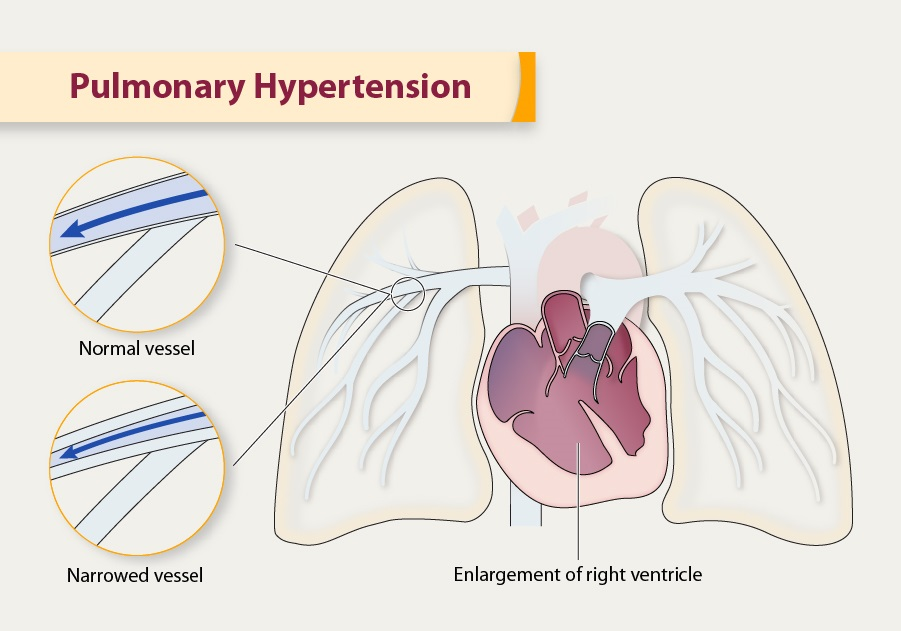
Normal blood pressure keeps us alive. It’s the force that moves blood throughout our circulatory system, ensuring that oxygen and nutrients reach our organs and tissues and that waste products are eliminated. When we hear the word hypertension—high blood pressure—we know this describes the blood flow exerting too much force against blood vessel walls. Pulmonary…
Read MoreMacroscopic Skin Lesions
Macroscopic Skin Lesions A thorough skin examination should be performed annually to assess for new or changing macroscopic skin lesions. It is critically important to be able to identify and describe normal and abnormal skin and to note your findings carefully, because a change in an existing skin lesion is the most common sign of…
Read MoreAcute Inflammation
Have you ever cut your finger, bumped your head, or fallen and scraped your knee? While you were cursing your clumsiness or bad luck, your body got straight to work healing the injury, relying on the wondrous process of acute inflammation. Shortly after your injury, you most likely experienced some or all of the cardinal…
Read More